

The Importance of Umrah: A Spiritual Journey in Islam
Introduction
Umrah, often referred to as the “lesser pilgrimage” in contrast to the Hajj, holds a significant place in the hearts of Muslims worldwide. While not obligatory, Umrah is highly recommended and offers a profound spiritual experience. This sacred journey to the holy city of Mecca provides an opportunity for Muslims to seek forgiveness, spiritual renewal, and a closer connection to Allah. This article explores the importance of Umrah, its spiritual benefits, historical significance, and the rituals involved.
Historical Background
The practice of Umrah dates back to the time of the Prophet Muhammad (PBUH), who performed it multiple times. Unlike Hajj, which is performed during specific days in the Islamic month of Dhu al-Hijjah, Umrah can be undertaken at any time of the year. This flexibility allows Muslims to embark on this spiritual journey whenever they feel the need for spiritual rejuvenation.
The term “Umrah” is derived from the Arabic word “i’timaar,” which means a visit. In Islamic terminology, it signifies a visit to the Kaaba, the House of Allah, in Mecca. This act of devotion involves performing a series of religious rituals that symbolize the unity of Muslims and their submission to Allah.
Spiritual Significance of Umrah
Forgiveness of Sins: One of the most significant spiritual benefits of Umrah is the expiation of sins. The Prophet Muhammad (PBUH) said, “The performance of Umrah is an expiation for the sins committed between it and the previous one” (Sahih Bukhari). This hadith underscores the mercy of Allah and His willingness to forgive the sins of those who sincerely seek His forgiveness through the act of Umrah.
Spiritual Renewal and Closeness to Allah: Umrah provides a unique opportunity for Muslims to detach from the materialistic world and focus solely on their relationship with Allah. The rituals of Umrah, including Tawaf (circumambulation of the Kaaba) and Sa’i (walking between the hills of Safa and Marwah), are acts of worship that help pilgrims to purify their hearts and minds. This spiritual renewal fosters a sense of inner peace and a deeper connection with the Creator.
Equalizer of Humanity: The Ihram, the simple white garment worn by pilgrims, symbolizes the equality of all Muslims before Allah. Regardless of social status, wealth, or nationality, every Muslim stands equal in the eyes of Allah while performing Umrah. This powerful symbol of unity and humility reinforces the concept of brotherhood and equality in Islam.
Strengthening Faith and Patience: The journey of Umrah requires considerable physical effort and patience. Pilgrims often face various challenges, such as long travel distances, crowded conditions, and the physical demands of the rituals. These challenges test their faith and patience, ultimately strengthening their resolve and commitment to Allah.
The Rituals of Umrah
Umrah consists of several key rituals, each with its own spiritual significance. The main rituals include:
Ihram: Before entering the sacred territory of Mecca, pilgrims must enter the state of Ihram. This involves performing a ritual cleansing (ghusl), wearing the prescribed white garments, and making the intention (niyyah) to perform Umrah. The Ihram represents purity, humility, and a state of spiritual readiness.
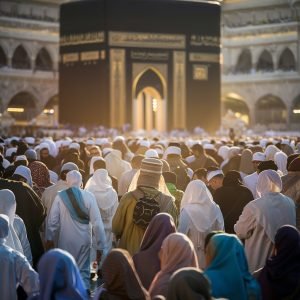
Tawaf: Upon arrival in Mecca, pilgrims perform Tawaf by circling the Kaaba seven times in a counterclockwise direction. This act symbolizes the unity of believers in the worship of the One God. Each circuit is accompanied by the recitation of prayers and supplications, creating a deeply spiritual atmosphere.
Sa’i: After completing Tawaf, pilgrims proceed to the ritual of Sa’i, which involves walking seven times between the hills of Safa and Marwah. This ritual commemorates the desperate search for water by Hagar (Hajir), the wife of Prophet Ibrahim (Abraham), for her son Ismail (Ishmael). Sa’i represents the virtues of patience, perseverance, and trust in Allah.
Tahallul: The final ritual of Umrah is Tahallul, which involves the symbolic act of shaving or cutting a portion of the hair. This act signifies the end of the state of Ihram and a return to normal life, but with a renewed sense of spiritual purity and devotion.
Historical Significance and Legacy
Umrah holds immense historical significance in Islamic tradition. The Kaaba, towards which Muslims perform Tawaf, is considered the first house of worship dedicated to the One God. It was built by Prophet Ibrahim (Abraham) and his son Ismail (Ishmael) as a place of monotheistic worship. The act of performing Umrah connects Muslims to this ancient legacy and reinforces their commitment to the monotheistic teachings of Islam.
Throughout history, numerous notable figures in Islamic history have performed Umrah, including caliphs, scholars, and ordinary believers. Their journeys and experiences have been recorded in historical texts and continue to inspire Muslims today. The legacy of Umrah as a means of spiritual purification and devotion remains a cherished tradition among Muslims worldwide.
The Role of Umrah in Modern Times
In contemporary times, the importance of Umrah remains undiminished. With advancements in travel and communication, more Muslims than ever before are able to undertake this sacred journey. The Kingdom of Saudi Arabia has invested significantly in infrastructure and facilities to accommodate the growing number of pilgrims, ensuring their safety and comfort.
Umrah serves as a reminder of the core values of Islam—faith, humility, and community. In a rapidly changing world, where materialism and individualism often dominate, the spiritual journey of Umrah provides a necessary counterbalance. It allows Muslims to reconnect with their faith, reflect on their lives, and seek divine guidance.
Personal and Communal Benefits of Umrah
Personal Transformation: Many pilgrims report profound personal transformations after performing Umrah. The spiritual intensity of the rituals, combined with the physical and emotional challenges, often leads to a renewed sense of purpose and a stronger commitment to Islamic principles. This personal transformation can manifest in various aspects of life, including improved moral conduct, enhanced patience, and a deeper sense of gratitude.
Strengthening Family Bonds: Umrah is often performed by families together, creating shared spiritual experiences that strengthen familial bonds. The collective journey of faith, the shared challenges, and the communal prayers foster a sense of unity and mutual support among family members.
Promoting Unity and Brotherhood: The diverse gathering of Muslims from around the world during Umrah highlights the universal nature of Islam. Pilgrims of different races, nationalities, and cultural backgrounds come together in a spirit of brotherhood and equality. This experience promotes a sense of global Muslim unity and reinforces the idea that the Ummah (Muslim community) transcends geographical and cultural boundaries.
Economic and Social Impact: The influx of pilgrims during Umrah seasons has significant economic and social impacts on the local communities in Mecca and Medina. The hospitality industry, including hotels, transportation services, and food vendors, thrives during these times. Additionally, charitable activities and social initiatives often accompany the pilgrimage, benefiting the local population and fostering a spirit of generosity.
Challenges and Considerations
While the benefits of Umrah are numerous, there are also challenges and considerations that pilgrims must be aware of:
Financial Cost: The cost of travel, accommodation, and other expenses can be a significant burden for many Muslims. It is essential for prospective pilgrims to plan and save for their journey well in advance.
Physical Demands: The physical demands of Umrah, including long walks and crowded conditions, can be challenging, especially for the elderly or those with health issues. Pilgrims should ensure they are in good physical condition and seek medical advice if necessary.
Logistical Planning: Proper planning is crucial to ensure a smooth and spiritually fulfilling Umrah experience. This includes understanding the rituals, making necessary travel arrangements, and being aware of the cultural and legal requirements in Saudi Arabia.
Conclusion
Umrah is a deeply spiritual and transformative journey that holds immense importance in Islam. It provides Muslims with an opportunity to seek forgiveness, renew their faith, and strengthen their connection with Allah. The rituals of Umrah, rooted in historical and theological significance, offer a profound experience of unity, humility, and devotion.
In modern times, the accessibility and significance of Umrah continue to grow, allowing more Muslims to embark on this sacred journey. The personal and communal benefits of Umrah are manifold, fostering spiritual growth, strengthening family bonds, and promoting global Muslim unity.
Despite the challenges and considerations, the rewards of Umrah far outweigh the difficulties. For millions of Muslims around the world, the journey of Umrah remains a cherished aspiration and a testament to their faith and devotion to Allah. As a symbol of spiritual renewal and a beacon of hope, Umrah continues to inspire and transform the lives of those who undertake it.